For those interested to learn more about photography, protest photography and related stories told by activist photographers, here are two #tbt interviews with ACT UP photographer and author of the photography book The AIDS Activist Project, Bill Bytsura. He’s quite a fascinating photographer who creates riveting images, I believe. Check it out:
In his upcoming coffee-table book, photographer Bill Bytsura captures a portrait of early AIDS activism, offering a candid visual memoir of the epidemic—and a blueprint for continuing the fight
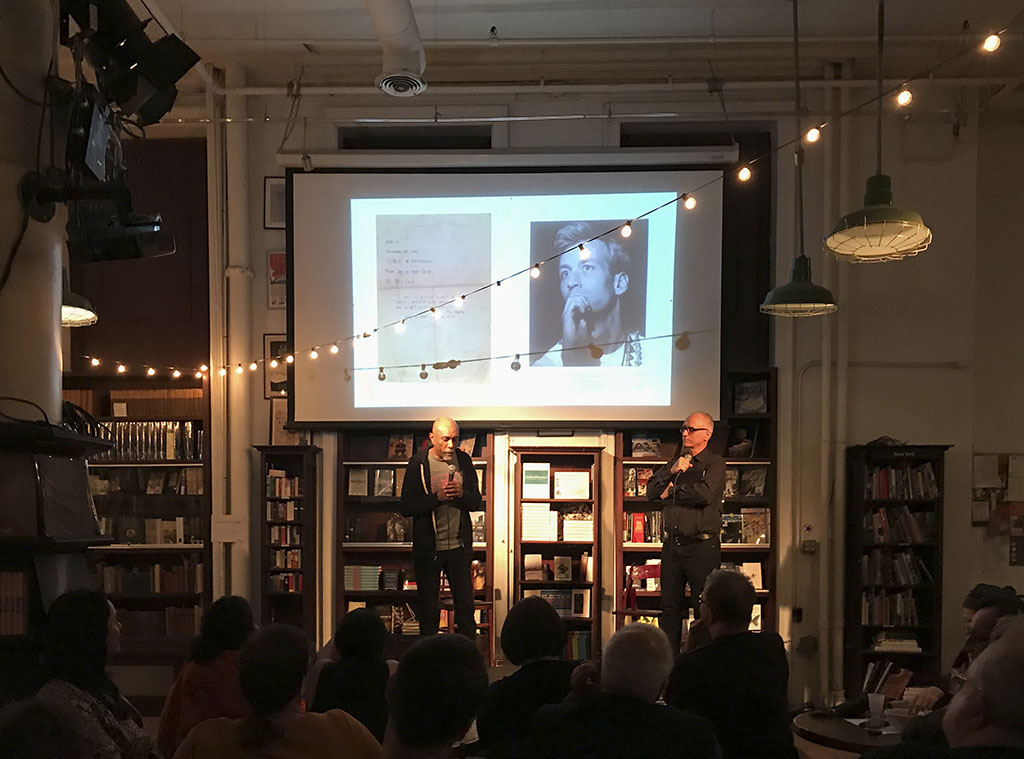
Extraordinary circumstances call for extraordinary actions, and for people willing to go to extremes in order to act in such crises. The crisis in question is the AIDS epidemic of the eighties; the individuals determined to do something about it, members of the ACT UP (AIDS Coalition To Unleash Power) movement.
Today we find ourselves talking about ACT UP again, maybe triggered by its recent twenty-fifth anniversary or the AIDS-themed movies and documentaries that followed it—David France’s How to Survive a Plague, and the HBO adaptation of Larry Kramer’s The Normal Heart. Or maybe we return to the basis of AIDS activism as defined by ACT UP because we need an activist movement today as intense as the activism of the early eighties once was.
In many ways, ACT UP represents a blueprint for organizing, and acting in a crisis. After all, the movement defined the fight against the epidemic, and opened up new avenues that subsequently led to the progress we see today—treatment, life, and the possibility, although still distant, of a cure.
Portrayed by the media as loud, radical and unruly, at the end of the day, ACT UP members only wanted to make a statement, and draw attention to a life-threatening crisis that nobody else wanted to acknowledge. They were the ones willing to take it to the streets, demanding a solution to the AIDS problem; the ones who, if needed, were willing to demonstrate inside the Stock Exchange building and shut it down, even if only for a few minutes…just to make a statement, and get their point across.
“Direct action from the inside,” photographer Bill Bytsura says, explaining the practices of the early ACT UP activists. “Infiltrate and use the smarts to get into these places where actually you can throw a wrench in the gears.” And he should know. He spent years, from 1989 to 1998, photographing not only ACT UP members, but also AIDS activists from across the U.S. and around the world, capturing the candid, human side of the movement, one that seldom, if ever, made the headlines. The result is a collection of 225 black-and-white, haunting portraits of activists (many of them lost to the disease), together with personal statements and photographer’s releases he had his subjects write and sign. In 2011, Fales Library acquired the collection, together with the original negatives. Sixty-five of the photographs are soon to become a coffee-table book titled, like the collection, The AIDS Activist Project.
Read more here.
The AIDS Activist Project
Some of the Bravest
In his new photography book, The AIDS Activist Project, ACT UP activist and photographer Bill Bytsura pays tribute to the spirit of protest while reminding us that AIDS is not over
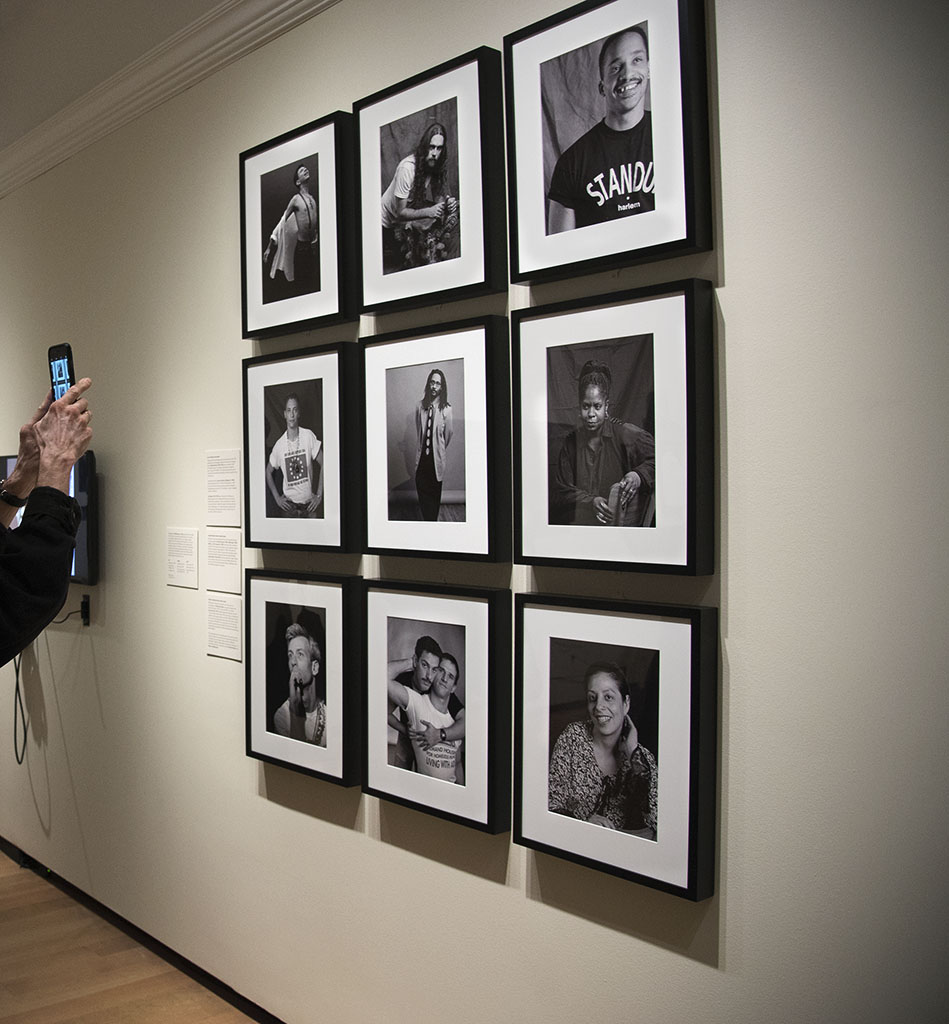
Throughout the years, many photographers have embraced black-and-white to tell some of the most intense, intriguing, powerful and memorable stories for various reasons. Award-winning photographer and AIDS activist Kurt Weston [A&U, November 2005] says black-and-white offers his art “a concentration of expression” and likes that intensity, in particular in his portraits. Ted Grant, the father of Canadian photojournalism, believes that “when you photograph people in black-and-white, you photograph their souls,” while Swiss-American photographer and filmmaker Robert Frank calls black and white “the alternatives of hope and despair to which mankind is forever subjected.”
ACT UP activist and veteran photographer Bill Bytsura, whom I interviewed for A&U in January 2015, also chose black-and-white photography to capture the souls, despair, as well as hope of his subjects, AIDS activists during the eighties and a good part of the nineties, in a remarkable body of work, The AIDS Activist Project. Influenced by the likes of Diane Arbus, Dorothea Lange, Roman Vishniac and Richard Avedon, Bytsura often uses black-and-white in his own work. To him, black-and-white photography is “more truthful, and much more powerful” and is meant to capture powerful images. And The AIDS Activism Project is just that, a collection of intense and intriguing portraits, a unique body of work that captures a less known, more candid, intimate side of the AIDS and ACT UP activists.
A Plattsburgh, New York, native, Bill Bytsura moved to Pennsylvania in 1974, where he became interested in photography. A few years later, in 1984, in New York, he started photographing professionally for clients like American Express, Newsweek Magazine, and Jazz Times Magazine, and also documenting a number of AIDS organizations. His photography work has appeared in national and international galleries, from New York and Pennsylvania to the “Don’t Leave Me This Way: Art in the Age of AIDS” exhibition at the National Gallery of Australia.
Bytsura started to work on The AIDS Activist Project about thirty years ago, photographing AIDS activists, in particular ACT UP activists from across the country and around the world. This impressive body of work includes some 225 photographs, as well as personal notes written by the activists themselves. In 2011, The AIDS Activist Project was included in the Fales Library and Special Collections, at New York University.
The AIDS Activist Project book includes only portraits of ACT UP activists. The book is “a memorial tribute to the departed” to those activists who’ve lost their battle with the virus, as well as a “reminder that the epidemic is not over.” In the foreword, David France (How to Survive a Plague) writes, “Photographer Bill Bytsura set out to memorialize those individuals, along with the movement’s rank and file, mid-battle.… What he produced is a study in defiance. But the photos betray a deeper insight. Yes, you see the power and the strength, the awful resolve in their faces. But he has also found fear, and the mountains of unprocessed grief. These beautiful photographs…bring us as close as we may ever get to knowing what the plague years wrought. Just look into the eyes of the frontline warriors.”
Read more here.
“Silence = Death
Action = Life
We have to protest
Protest to survive.”

Hope you enjoy the read and, as always, thanks for stopping by,


Leave a comment