
Shape and Form: Photographing the New York City AIDS Memorial
I wrote this on June 5, 2019, the National HIV/AIDS Long-Term Survivors Awareness Day. Those living in or around the NYC area might be aware of the NYC AIDS Memorial located around the corner from The Center and St. Vincent’s Hospital in the West Village.
The other day I found myself in Manhattan for a full day of meetings and events and had a couple of hours to spare. And so I decided to wander around the city; I rarely have time to do that nowadays.

And so, while on my way to Cooper Square to attend a Public Art Fund panel discussion (artist and activist Avram Finkelstein was one of the panelists), I stopped by The Center and, while there, checked out the NYC AIDS Memorial and the Visual Impact: On Art, AIDS, and Activism displayed right next to it. Visual Impact is a public art installation showing eight notable AIDS activist artworks, including my favorites–Undetectable and, in particular, Silence = Death.
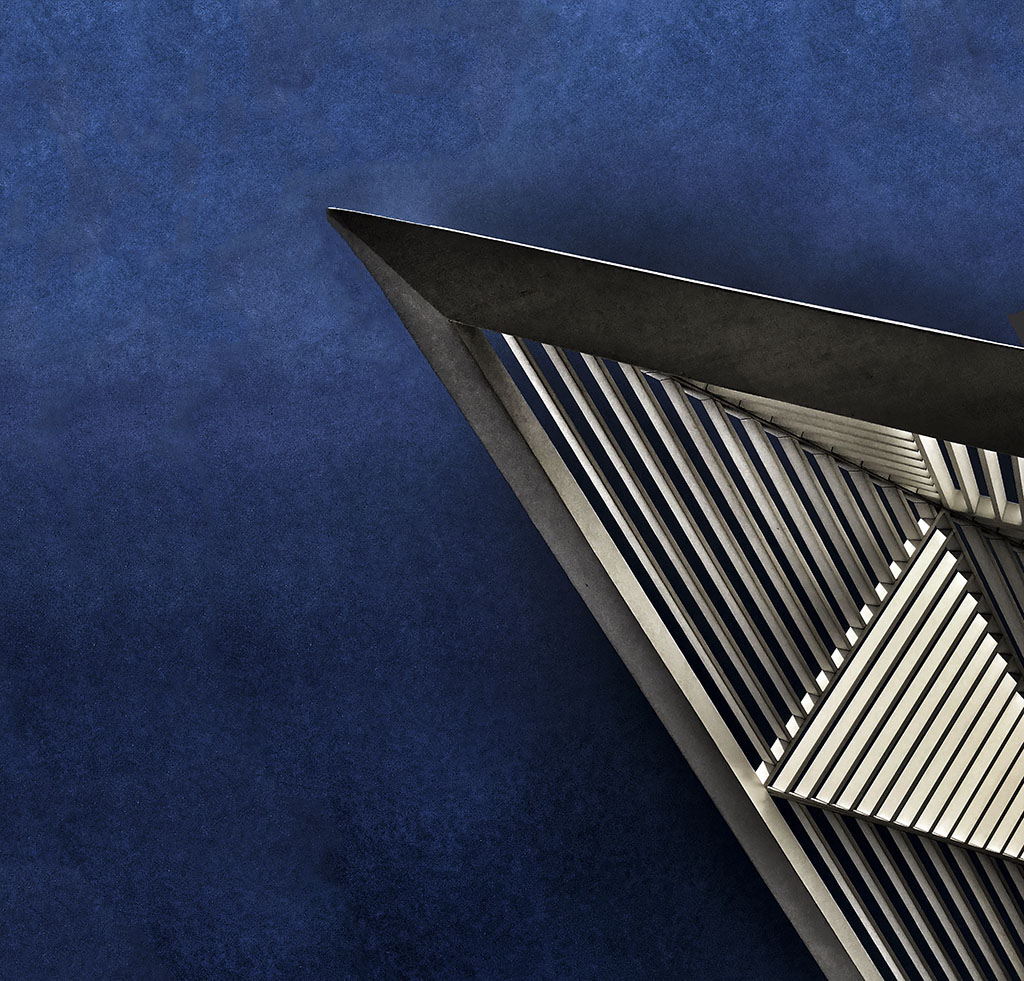
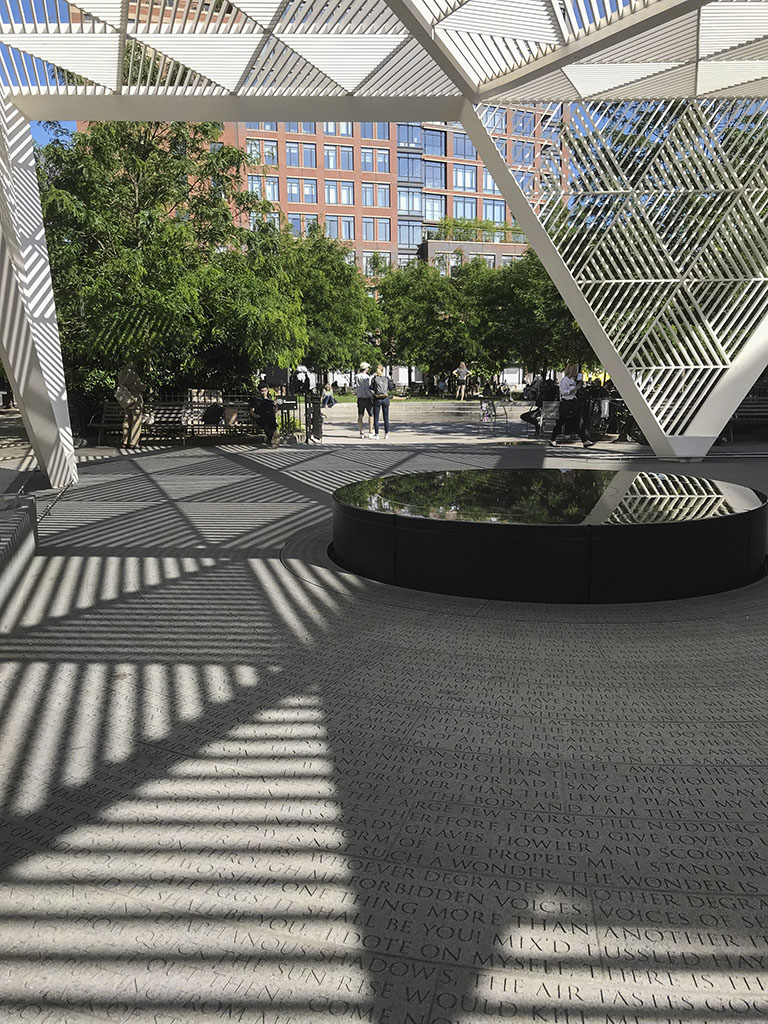
In this post, let’s talk about photographing the NYC AIDS Memorial itself. The New York City AIDS Memorial is a beautiful, intriguing, fascinating, and somber piece of art. Its unusual shape makes photographing it quite interesting, particularly with an iPhone (smartphone).
So, how to photograph the NYC AIDS Memorial and tell the whole story? Good question.
Aerial shots would be interesting, but not possible, not unless you use a drone (and it’s not allowed to use a drone in the city in the first place) or photograph from a nearby high-rise building.
Also, being a memorial in public spaces, it’s challenging to eliminate all the distractions.

I just found myself at the NYC AIDS Memorial on a bright, sunny, and clear early afternoon, without my camera (hence, without a wide-angle lens or any lens at all). All I had was my iPhone.
And so I walked around the memorial, trying to figure out how to photograph it and the neighboring art panels on the sidewalk. I snapped a few detail shots of the memorial–names, shapes, shadows–including the name of the memorial itself, as well as space surrounding the memorial, to give a sense of (time and) place; considered different vantage points and tried not to be in anybody’s way.
Take your time photographing details and “the big picture.” Sometimes we have to “discover” the story as we photograph it and “reveal” the story as we photograph it. Tell the story!
As always, thanks for stopping by!




Leave a comment