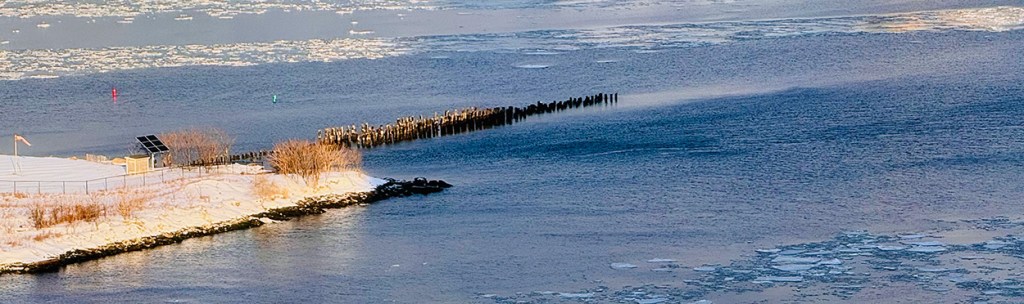
Notes on Winter Photography
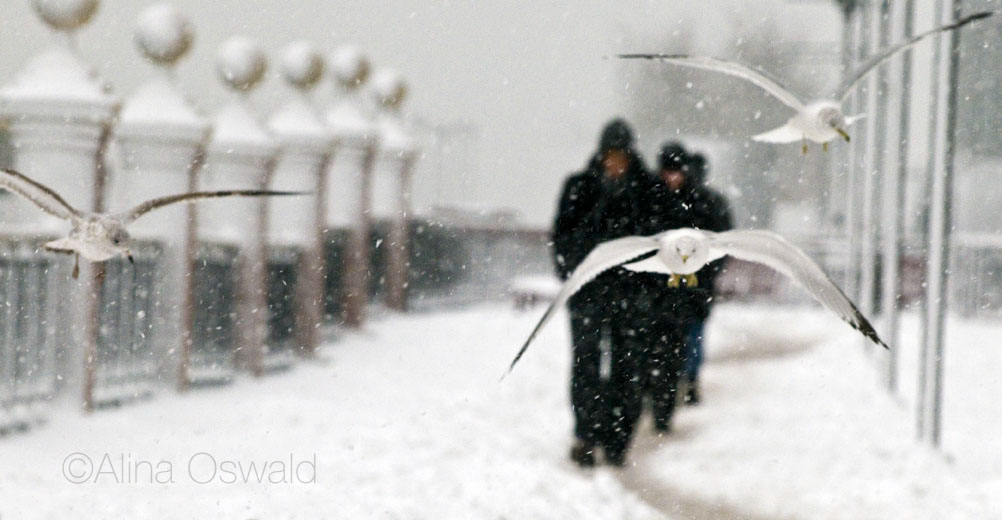
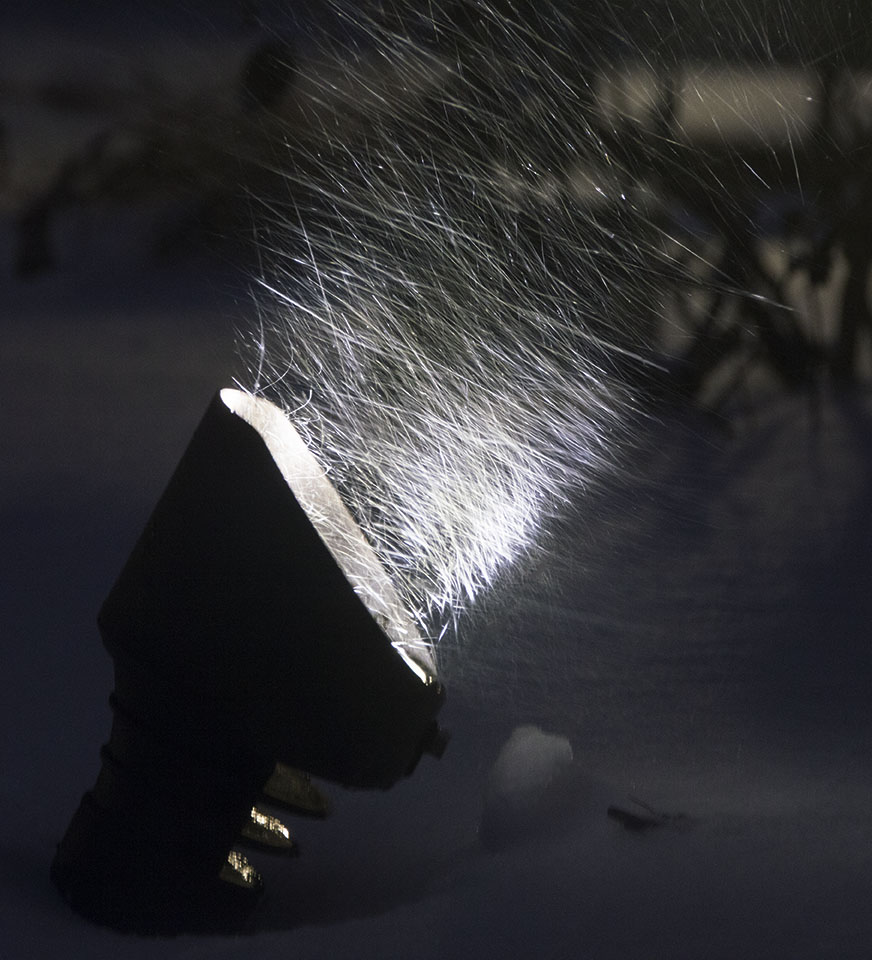
[Since we’ve been under an arctic blast here, in the U.S., I’d like to revisit an article originally published in the Digital Photography Academy Newsletter, an article about winter photography. Also, I included a few recent images.]
Now that the holidays are over, winter is here to stay for a few more months. It’s about to reign over us with short days, long nights, freezing temperatures, icy roads, snow, and slush. But oftentimes, the worst weather conditions offer us a chance to capture some of the most exciting photographs.
So, the question is..or rather the questions are:
How do we tell the visual story of winter?
How do we capture this season in photography?
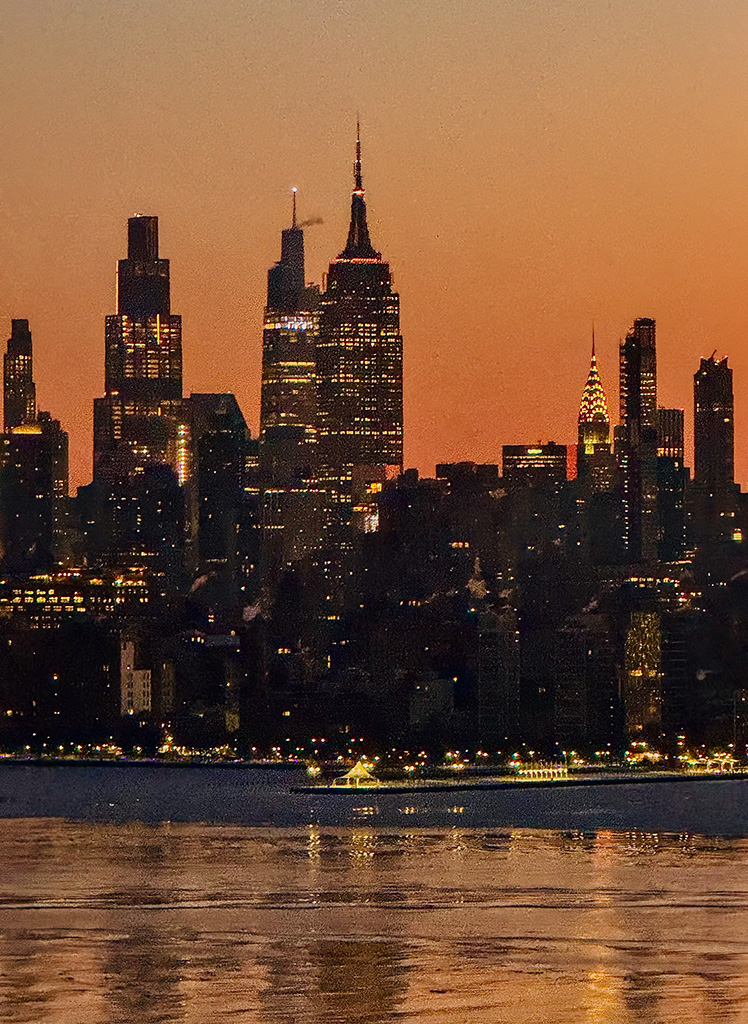
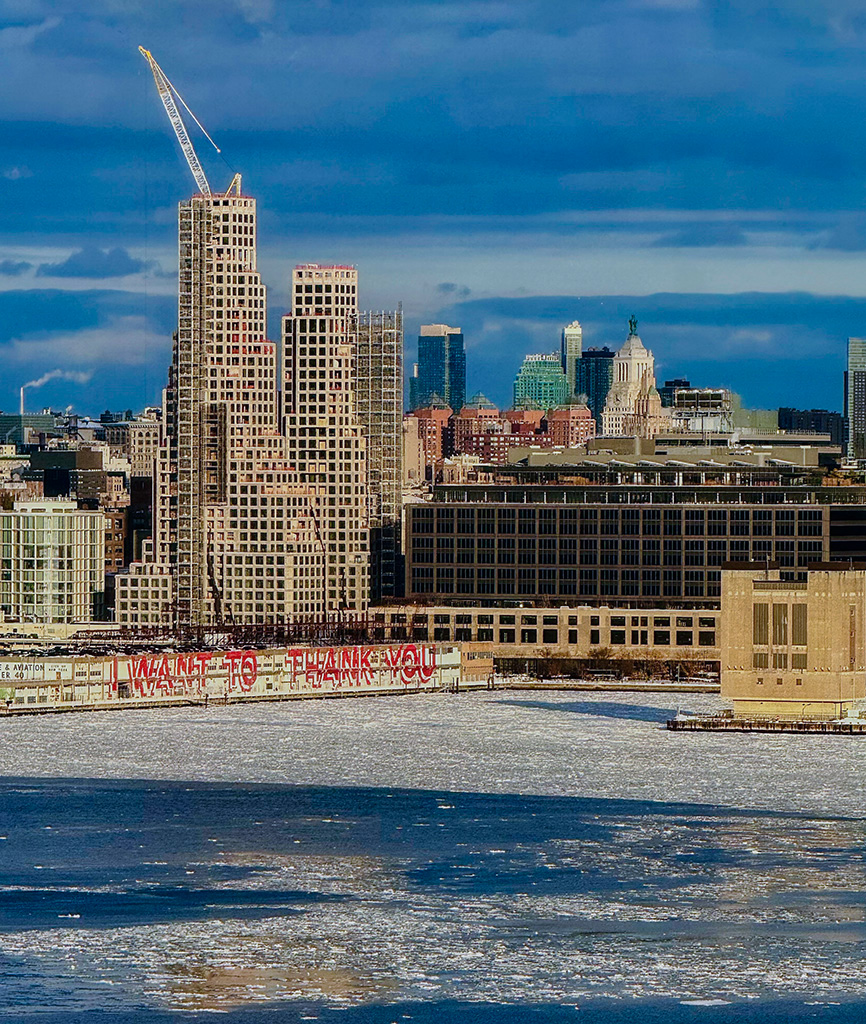
We can start by photographing a few prominent subjects and scenes often associated with winter. Let’s start with the obvious:
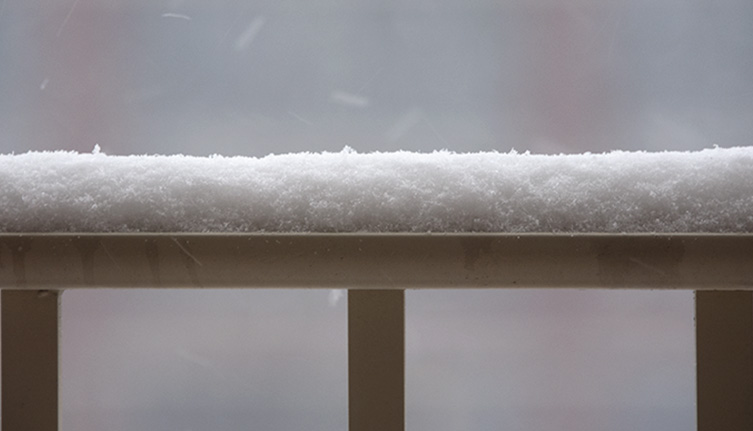
Snow: its color, texture, feel, symbolism, etc.
Enhance the feeling of “cold” associated with snow by capturing the cool hues of blue in the snow. Or capture the red/orange, warm hues to balance the feeling of “cold” and the comfort of “warmth” and tell a compelling story. For example, think of the symbolism or mood evoked in an image of a candlelight flickering on a window frame as the snow accumulates outside.
Enhance snow’s texture by photographing it using 90-degree side lighting (a.k.a. split lighting).
Also, capture patterns in the snow, s-shape lines, or diagonals that crisscross the frame. By themselves, they’ll make an interesting background. Capture footsteps in the snow. Focus on a bright or vibrant color subject along those trails—a red ball, perhaps left behind from the long-ago summer days, or an orange or bright blue hat or gloves left behind or lost by a passerby, maybe the same person whose footsteps now mark the snow.
Capture a close-up of one of those footsteps and the snowflakes filling it with fresh snow in the darkness of night.
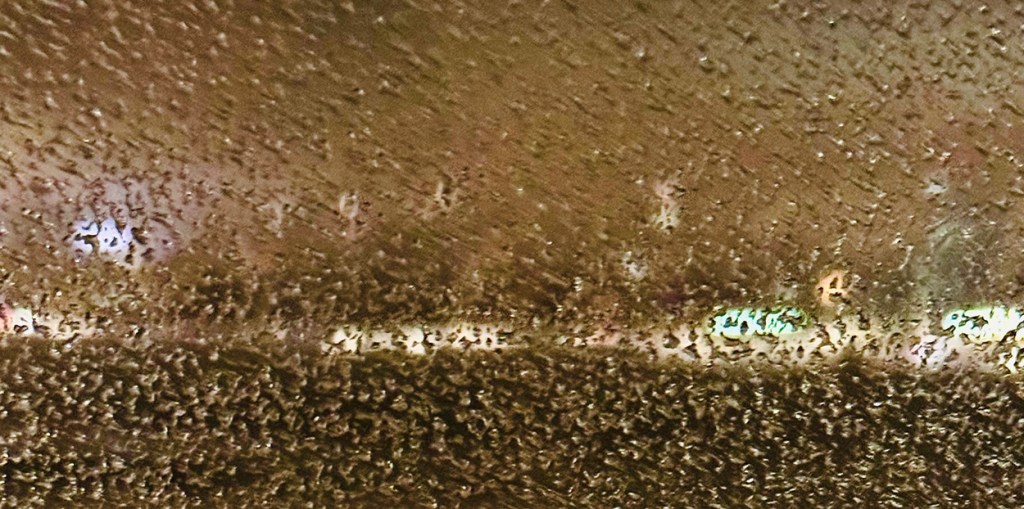
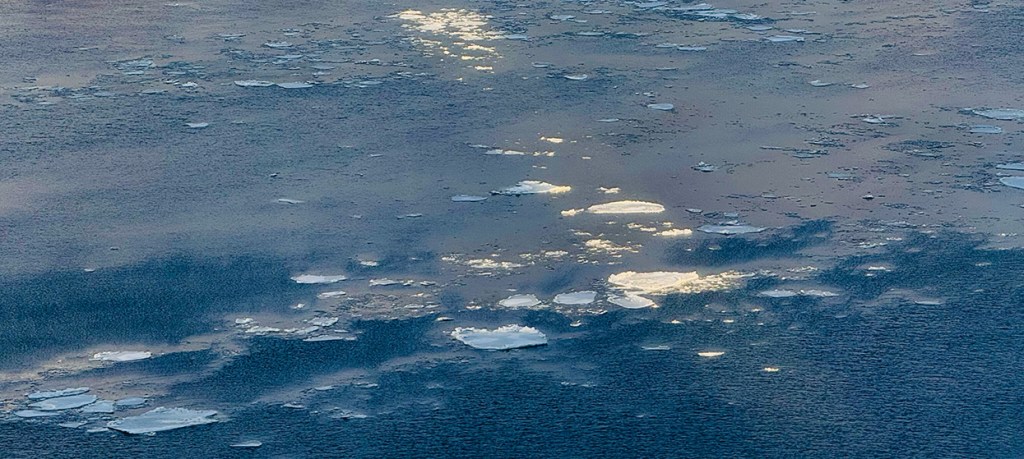
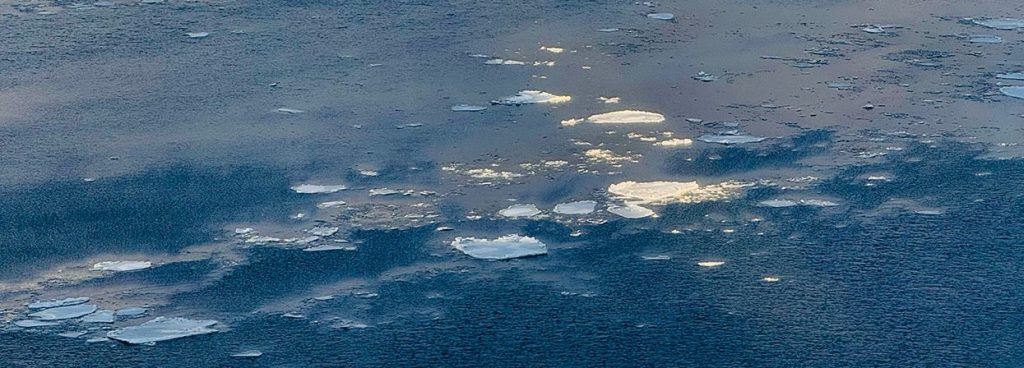
Ice: its surface, reflections, or snow as icicles decorating a window, door frame, or someone’s clothes
Capture the texture of ice and objects frozen inside (dead leaves, branches, etc.)
Capture distorted reflections of houses, people, and streets.
Blizzard: the wind, the snowflakes dancing in the wind
Photographing a blizzard often means photographing the full fury of winter—motion (the wind), details (the snowflakes dancing in the air), sound, the sound of the wind, the sound of winter. It makes for an exciting photography: how would we photograph wind? How would we photograph the sound of the wind? (something to ponder upon, perhaps)
Winter Sports: Ice Skating. Skiing. Snowboarding
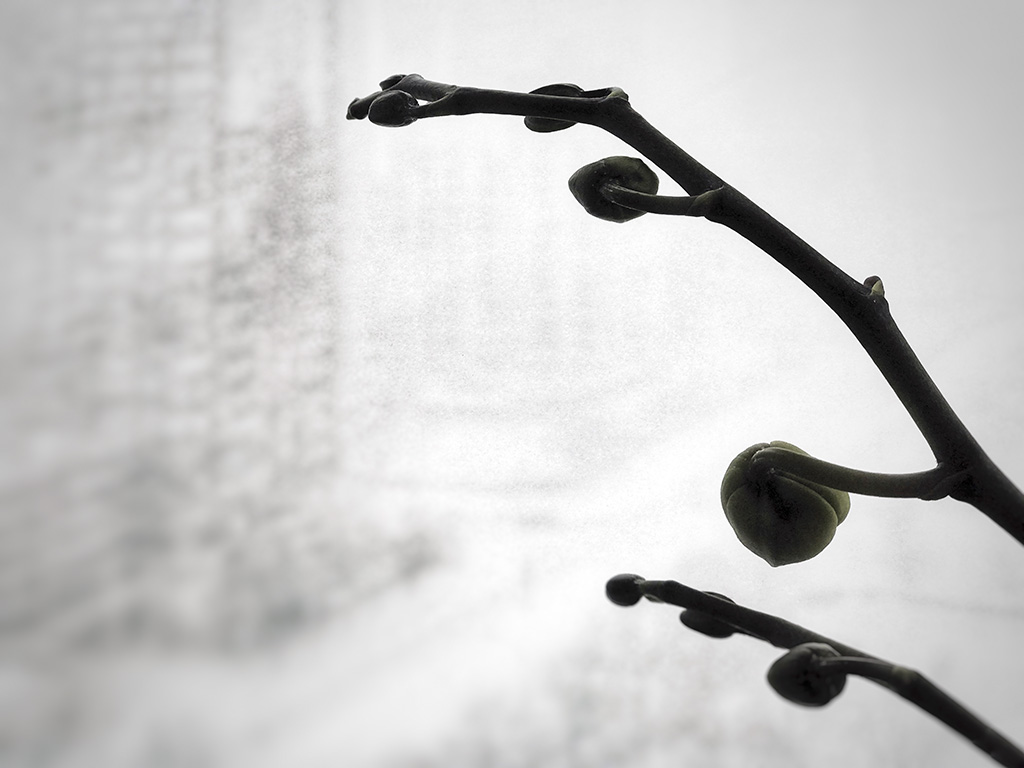
Here are a few #tbt winter images from past years:



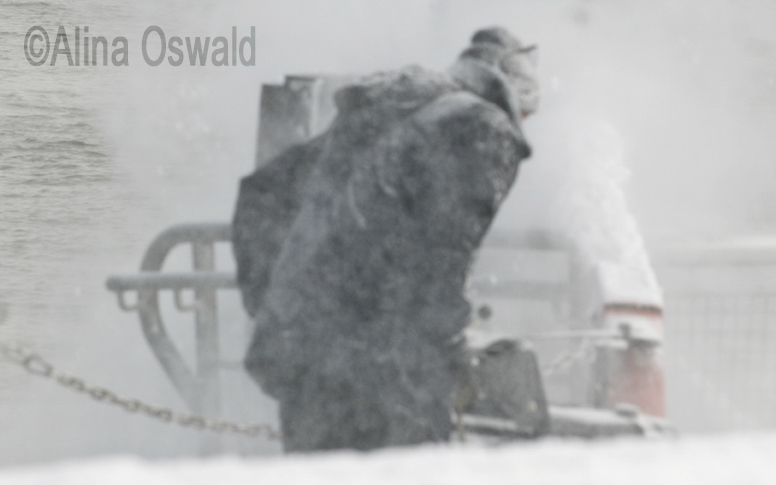
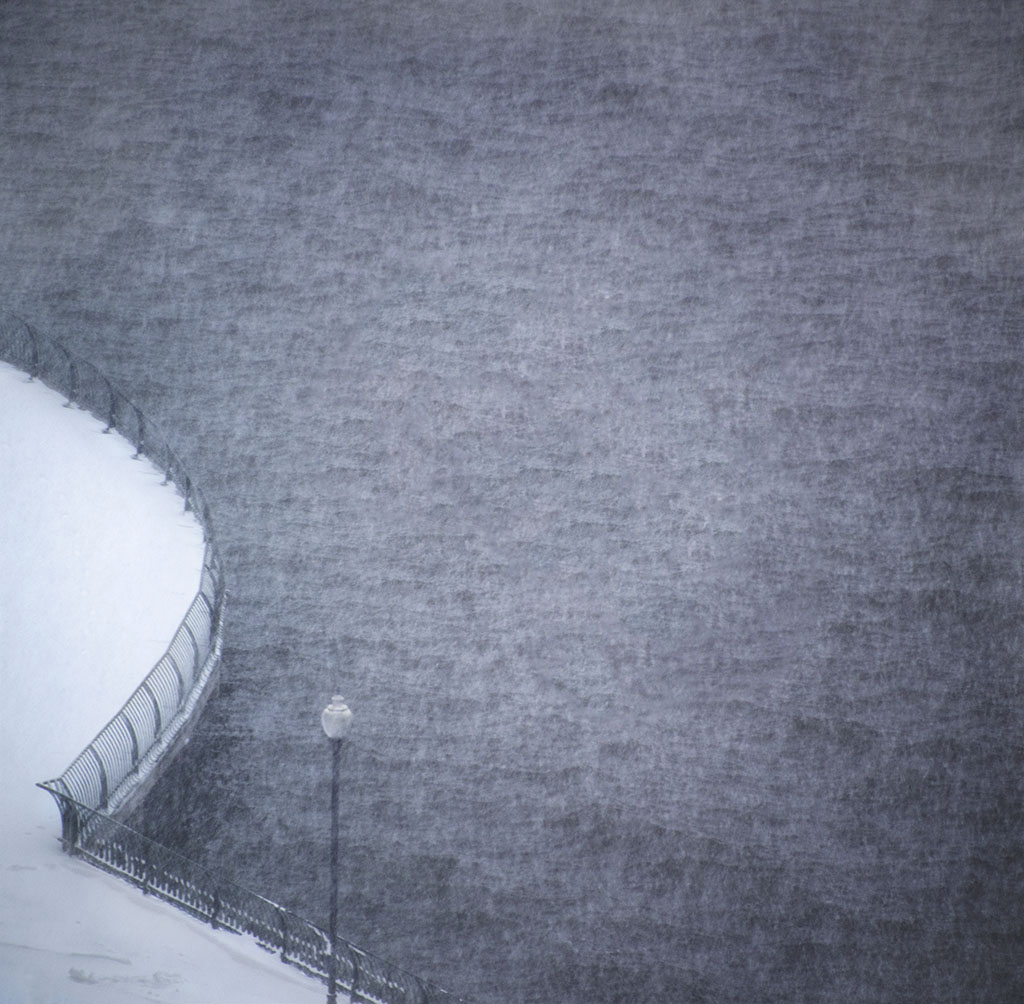

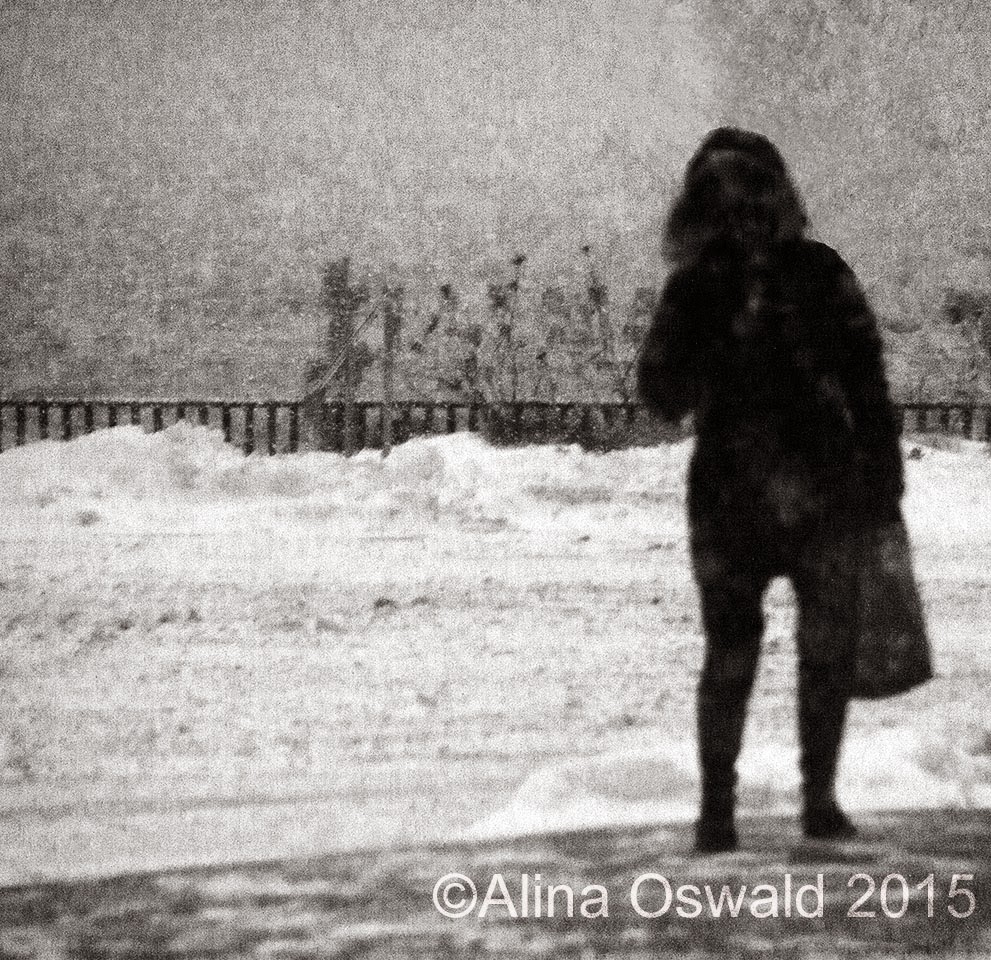
Ice skating, skiing and snowboarding, and sledding through the snow are all great opportunities to practice photographing sports and subjects in motion. Experiment with freezing the action (shooting at a super-fast shutter speed) and blurring the motion (dragging the shutter, using a slower shutter speed). Focus on the subject, zoom in, and also out. Try some panning—keep the subject in focus and blur the background. Experiment and have fun while at it.
The holidays and all the memories and customs that they bring to life:
A whole new article can cover just that: how to capture the holiday season in photographs or, rather, the visual story of the holiday season. It’s important to tell the full story of the holiday season.

How about the gear?
When photographing in freezing temperatures, rain, or snow, we must protect ourselves and our gear.
Dress in layers. Also, check out winter gloves made especially for photographers (photographers’ gloves). They keep your fingers and hands warm and make it easier to photograph in the cold.
Protect the photo gear: plastic rain sleeves come in handy to protect the lens and camera from light snow or rain. Lens hoods used correctly also come in handy to avoid water drops on the lens.
Sometimes, winter is not only about snow at all. It’s about people and customs and celebrations. It is about Mother Nature, frozen and dormant underneath the thick blanket of snow or perhaps frozen within layers and layers of ice, waiting to come to life, yet again.
Stay safe and, as always, thanks for stopping by.


 Alina Oswald
Leave a comment