
Quotes by Famous Photographers
Years ago I was invited to write an article about black-and-white photography for Precise Moment, a photography e-zine. Here’s a link to that article called Shadows, Highlights, and Shades of Gray – An Exploration into Black-and-White Photography.
Myself, I fell for black-and-white photography in 2005, upon discovering the work of award-winning, legally blind photographer, Kurt Weston.
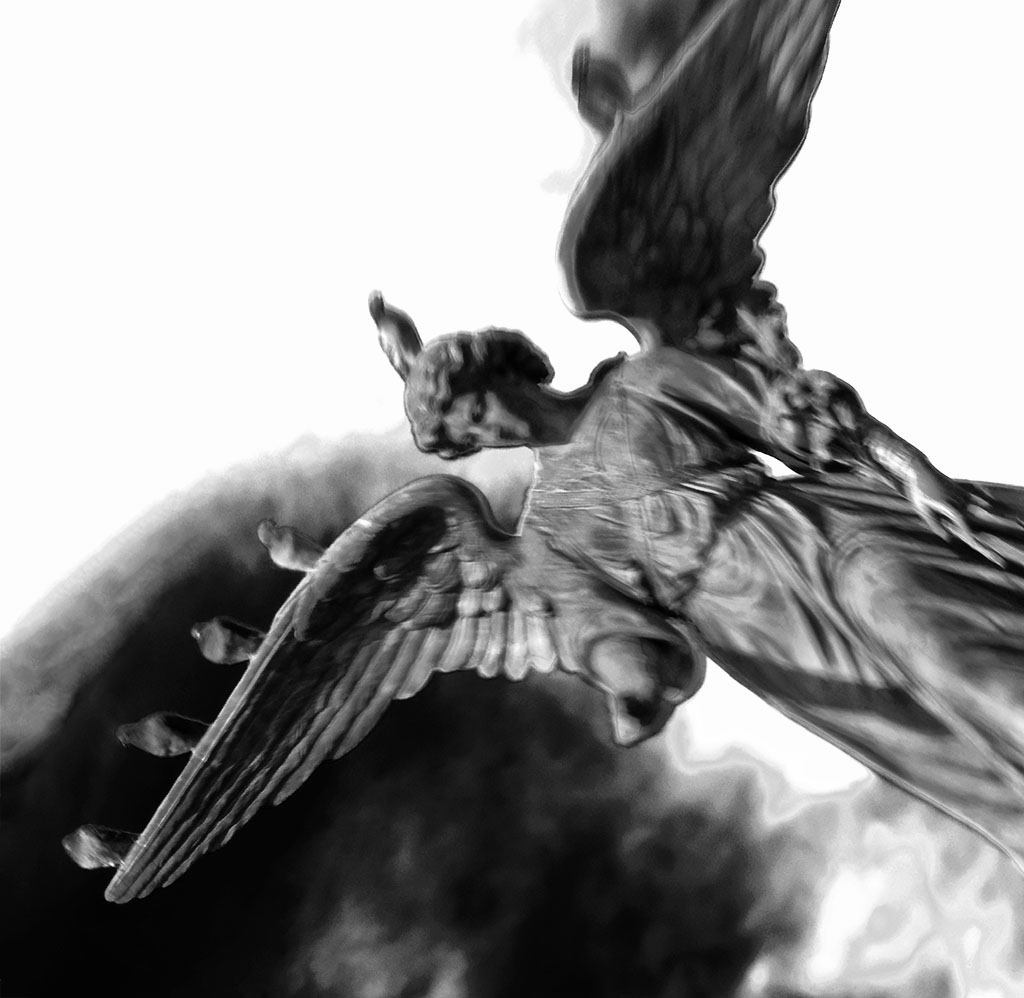
Black-and-white offers his art “a concentration of expression” and likes that intensity, in particular in his portraits, the visual artist says.
There’s something dark and dramatic about B&W photography, sometimes perceived as “dangerous” (to borrow from Freddie Mercury’s song), yet daring us to look longer, not at but “through” the visual artwork, as artist-activist and author Avram Finkelstein would say.
There are many photographers who have embraced black-and-white, from Ansel Adams to Cartier-Bresson.
Photographer Bill Bytsura also uses black-and-white in his photography book The AIDS Activist Project,
“to capture the souls, despair, as well as the hope of his subjects, AIDS activists during the eighties and a good part of the nineties, in a remarkable body of work, The AIDS Activist Project.
Influenced by the likes of Diane Arbus, Dorothea Lange, Roman Vishniac, and Richard Avedon, Bytsura often uses black-and-white in his own work. To him, black-and-white photography is “more truthful, and much more powerful” and is meant to capture powerful images. And The AIDS Activism Project is just that, a collection of intense and intriguing portraits, a unique body of work that captures a less known, more candid, intimate side of the AIDS and ACT UP activists.”

Other famous photographers have also chosen black-and-white for their work. Here are a few more quotes, also included in the article mentioned above:
Ted Grant, the father of Canadian photojournalism, believes that “when you photograph people in black-and-white, you photograph their souls.”
Swiss-American photographer and filmmaker Robert Frank calls black and white “the alternatives of hope and despair to which mankind is forever subjected.”
As I was writing in my article about b&w photography, mentioned at the beginning of this post,
Black and white photography best captures the essence of the story. It brings back memories, and, in many ways, reminds us of how things used to be. It’s about remembrance.
Maybe that explains the use of black and white by activist photographer Bill Bytsura. “Photography,” Bytsura says, “is a way to share ideas, emotions, and experiences. It is a way to record, report, and inform. Photography overcomes the barriers of language and distance. It is a universal way of communicating.”



 Alina Oswald
Leave a comment